Dedham Location
Walpole Location

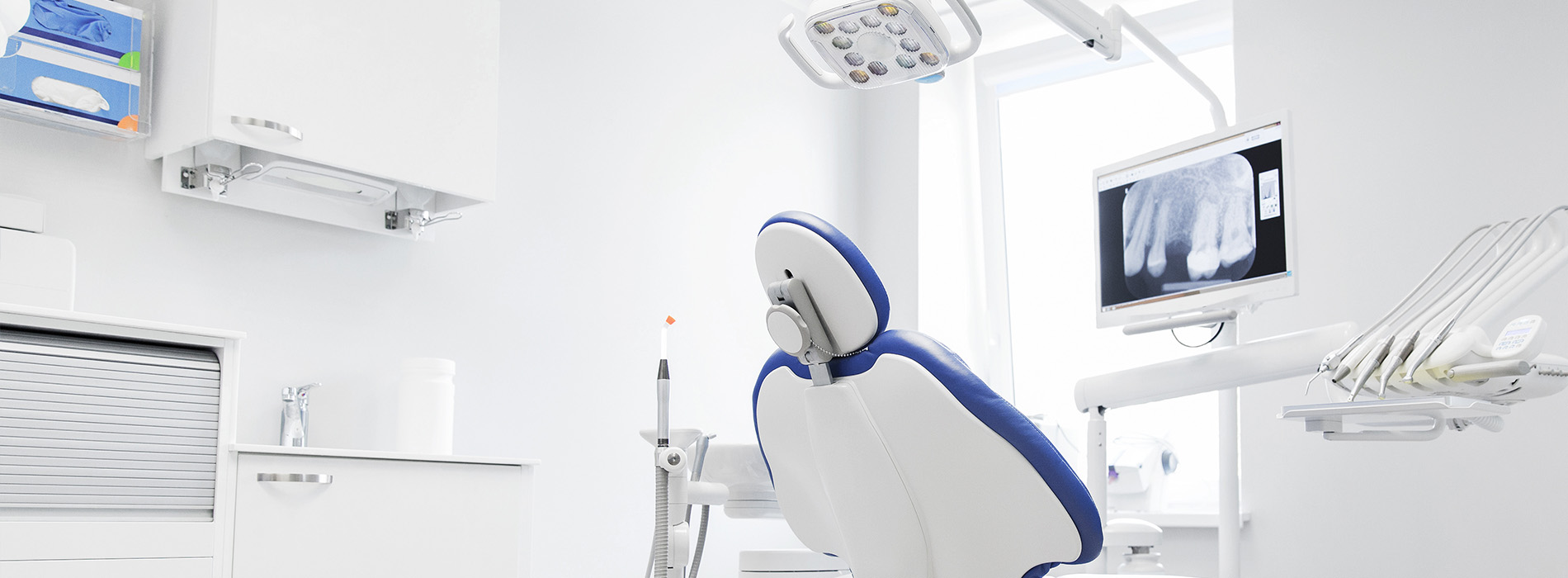
Most people are familiar with the idea of having a tooth pulled, but not every extraction is the same. Some teeth can be removed relatively simply, while others require a surgical approach because of their position, condition, or relationship to the surrounding bone and tissues.
Hearing the words “surgical extraction” can sound intimidating. However, surgical tooth removal is a commonly performed procedure used when a tooth cannot be safely or predictably removed with a straightforward extraction.
Understanding why surgery may be recommended and what the procedure involves can make the process feel much more manageable.
A surgical extraction is a procedure used to remove a tooth that requires additional access beyond a routine extraction.
During a simple extraction, enough of the tooth is generally visible above the gumline for it to be loosened and removed.
A surgical extraction may be necessary when a tooth is trapped beneath the gums, surrounded by bone, broken near the gumline, or otherwise difficult to access.
Depending on the situation, the oral surgeon may create a small opening in the gum tissue, remove a limited amount of surrounding bone, or divide the tooth into smaller sections to allow for controlled removal.
The exact approach depends on the individual tooth and its anatomy.
Impaction occurs when a tooth does not fully emerge into its expected position.
Wisdom teeth are the most familiar example, but other teeth can also become impacted.
An impacted tooth may remain completely beneath the gums or emerge only partially. Its position can sometimes create problems for neighboring teeth or surrounding tissues.
Not every impacted tooth automatically requires removal. The decision depends on factors such as symptoms, disease, tooth position, age, and the potential for future complications.
Teeth can fracture because of trauma, extensive decay, large restorations, or years of wear.
If enough tooth structure remains above the gumline, conventional removal may still be possible.
However, a tooth that has broken at or below the gumline may not provide enough accessible structure for a simple extraction.
Surgical techniques can provide better access to the remaining tooth and roots.
What you see above the gums is only part of a tooth.
Underneath are roots that can vary significantly in number, length, shape, and direction.
Some roots are relatively straight. Others may be curved, widely separated, unusually long, or positioned near important anatomical structures.
Dental imaging allows the surgeon to evaluate this anatomy before treatment and plan an appropriate approach.
Extraction may be recommended for several reasons.
A tooth may have extensive decay that can no longer be predictably restored. A severe fracture can extend into areas that cannot be repaired. Advanced periodontal disease may result in significant loss of the tissues and bone supporting a tooth.
Infection can also make removal necessary when a tooth cannot be successfully treated or preserved.
Orthodontic treatment, impacted teeth, and other developmental conditions can sometimes lead to extraction recommendations as well.
The goal is generally to preserve natural teeth whenever reasonably possible. Extraction becomes an option when keeping a particular tooth is no longer considered predictable or beneficial.
Evaluation is an important part of the process.
The surgeon reviews your dental and medical history, examines the area, and evaluates appropriate dental images. This helps determine the tooth's position and its relationship to surrounding structures.
Your medications and health history are important because they can influence surgical planning, bleeding, healing, and anesthesia decisions.
Patients should provide a complete and accurate list of medications, supplements, allergies, and relevant medical conditions.
Different anesthesia and sedation options may be available depending on the procedure, medical history, complexity of treatment, and individual needs.
Local anesthesia is used to numb the surgical area. Additional sedation or anesthesia may be considered in appropriate situations.
The specific options should be discussed during the preoperative evaluation so patients understand what to expect and how to prepare.
Once the area is appropriately anesthetized, the surgeon gains access to the tooth.
If necessary, gum tissue may be gently moved to expose the area. A small amount of bone can sometimes be removed to provide access to the tooth or its roots.
In some cases, dividing the tooth into sections allows each portion to be removed with less force.
After the tooth is removed, the area is cleaned and evaluated. Sutures may be placed depending on the procedure.
Although the details vary, the goal is controlled removal while protecting the surrounding tissues as much as possible.
Some swelling, soreness, and minor bleeding can be expected after many surgical extractions.
The amount varies depending on the complexity of the procedure and the individual patient.
Following postoperative instructions is an important part of recovery. These instructions may include guidance regarding eating, oral hygiene, activity, medications, and care of the surgical site.
Patients should follow the specific directions provided by their surgical team rather than relying on generalized advice.
After a tooth is removed, a blood clot forms in the socket. This clot plays an important role in the early stages of healing.
If it becomes disrupted or is lost too early, a painful condition commonly known as dry socket can occur.
This is one reason patients are typically given instructions about behaviors to avoid during the early recovery period.
Tobacco use can interfere with healing and may increase the risk of postoperative complications. Patients who use tobacco should discuss this with their surgeon before the procedure.
Postoperative discomfort should generally follow the pattern discussed by the surgical team.
However, symptoms that are severe, unexpected, or worsening deserve attention.
Patients should contact their provider if they experience concerns such as uncontrolled bleeding, significant or increasing swelling, difficulty breathing or swallowing, fever, or pain that becomes substantially worse rather than improving.
Specific instructions may vary depending on the procedure, so patients should always follow the guidance they receive after surgery.
The next step depends on which tooth was removed and why.
Wisdom teeth generally do not need to be replaced. Other missing teeth may eventually be replaced with a dental implant, bridge, removable restoration, or another treatment when appropriate.
If future implant treatment is being considered, the condition of the bone and surrounding tissues may influence planning.
Discussing long-term plans before extraction can sometimes help coordinate the different stages of care.
The phrase “oral surgery” can make a tooth extraction sound more complicated than patients expect.
In reality, the surgical approach is often recommended because it gives the surgeon the access needed to remove a difficult tooth in a controlled manner.
Impaction, severe decay, fractures, unusual root anatomy, and other conditions can all make surgical removal appropriate.
If a tooth has been recommended for extraction, an oral surgery evaluation can help determine the complexity of the procedure, review anesthesia options, and explain what to expect during recovery.
Understanding the reason for surgery and the steps involved can make it easier to approach treatment with realistic expectations and a clear plan for healing.

Neponset Valley: Dedham
Neponset Valley: Walpole